
- Clearly define your renovation goals to align with lifestyle and long-term needs.
- Assess your home’s current condition before starting to prevent unexpected issues.
- Create a realistic budget with contingency funds to manage costs effectively.
- Prioritize functional improvements while balancing aesthetics for a cohesive design.
- Plan your timeline carefully to minimize disruptions and keep the project on track.
- Make thoughtful material and design choices to ensure durability and long-term satisfaction.
- Consider professional help for complex tasks while taking on simpler projects yourself to save money.
Renovating a home is an exciting journey, but it can also be daunting. The key to a successful renovation is achieving the right balance between function, style, and budget. Whether you’re updating a kitchen, adding more living space, or modernizing your home’s aesthetic, careful planning ensures you maximize both your investment and your enjoyment.
This guide will walk you through the essentials of planning a home renovation, offering actionable tips, strategic advice, and insights that help homeowners make informed decisions.
Why Planning Matters in Home Renovation
Before swinging hammers or picking paint colors, thorough planning is crucial. Without it, you risk overspending, unnecessary stress, or ending up with a space that doesn’t meet your needs.
Consider these questions:
- What are your renovation goals?
- Which areas of your home need the most attention?
- How much can you realistically spend?
Proper planning not only helps allocate your resources efficiently but also gives you a roadmap to navigate unexpected challenges. It ensures your renovation aligns with your lifestyle and long-term home goals.
Defining Your Renovation Goals
Before diving into design choices or budgeting, it’s essential to clarify what you hope to achieve with your renovation. Defining your renovation goals sets the foundation for every decision you make, from layout changes to material selection. By understanding your priorities—whether it’s improving functionality, enhancing style, or preparing for future needs—you create a clear roadmap that keeps your project focused and ensures your investment delivers the results you want.
What Do You Want Your Home to Achieve?
Renovations serve different purposes depending on the homeowner: some want improved functionality, others want aesthetic appeal, and many aim for increased resale value. Start by defining your primary goals.
- Functionality: Are you trying to create more storage, improve traffic flow, or upgrade outdated systems?
- Style: Do you want a modern, minimalist feel, a traditional look, or something eclectic?
- Budget Efficiency: Are you focused on cost-effective upgrades or high-end finishes that make a statement?
By clearly identifying your priorities, you can make informed decisions that balance practical needs with style aspirations.
Assessing Your Home’s Current Condition
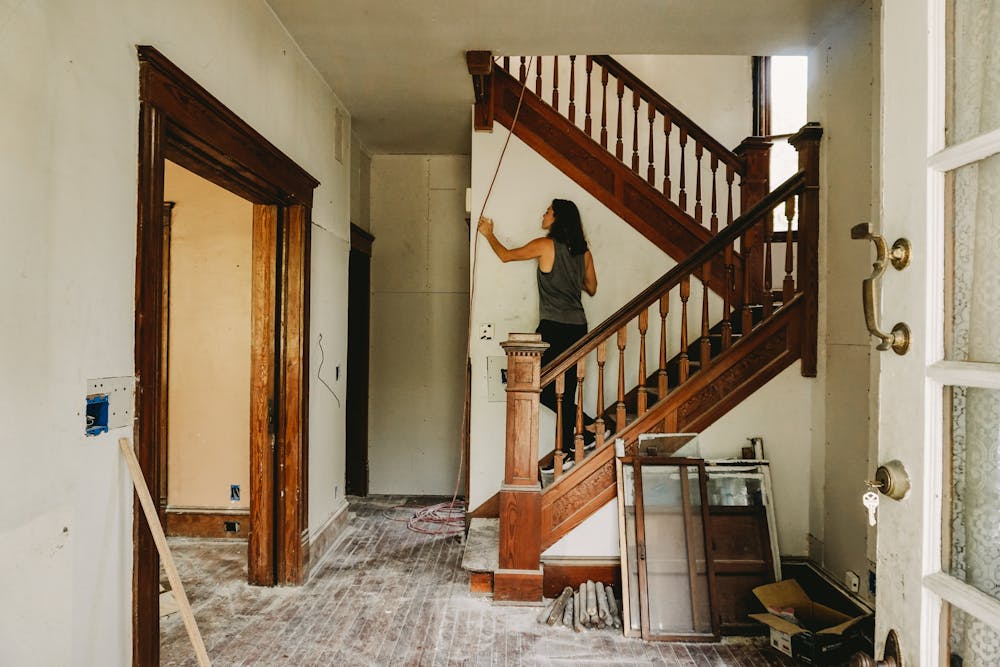
Before committing to changes, take stock of your home’s condition. This includes evaluating structural elements, plumbing, electrical systems, and existing layouts.
- Structural Integrity: Check for signs of damage, such as cracks, leaks, or uneven flooring.
- Mechanical Systems: Inspect heating, cooling, plumbing, and electrical systems to determine if updates are necessary.
- Layout Assessment: Consider how your current layout supports daily living and whether improvements are needed.
Understanding your home’s starting point prevents costly surprises and ensures your renovation plans are realistic.
Budgeting Wisely: How to Avoid Overspending
Budgeting is often the most stressful part of a renovation. But a well-prepared budget can save you from financial strain and help you make smarter choices.
Steps to Create a Practical Budget:
- List All Potential Costs
Include materials, labor, permits, professional services, and contingency funds. - Prioritize Your Spending
Allocate more to critical functional areas (like kitchens or bathrooms) and less to purely decorative features. - Plan for Contingencies
Set aside at least 10-15% of your budget for unexpected costs. - Research Costs Thoroughly
Obtain multiple quotes from contractors, suppliers, and service providers to ensure competitive pricing.
By approaching budgeting methodically, you ensure every dollar contributes to a meaningful improvement.
Creating a Functional Layout
A successful renovation is one that enhances the way you live in your space. Functionality should be the cornerstone of any layout decision.
- Open-Concept Living: Creates a sense of space and facilitates social interaction.
- Defined Zones: Separate areas for work, play, and relaxation prevent clutter.
- Storage Solutions: Built-in cabinets, closets, and multifunctional furniture optimize space.
Consider how your family uses the space daily. A well-planned layout avoids awkward transitions and makes your home more comfortable.
Choosing Materials: Durability Meets Style
Selecting the right materials affects both aesthetics and longevity. Balancing durability, cost, and visual appeal is essential.
- Flooring: Hardwood, laminate, or luxury vinyl offer different price points and durability levels.
- Countertops: Options like granite, quartz, or solid surface materials cater to both style and function.
- Cabinetry and Fixtures: Consider finishes that withstand daily use while complementing your design theme.
Choosing materials thoughtfully ensures your investment lasts and maintains a cohesive look throughout your home.
Hiring Professionals vs. DIY: Making the Right Choice
Not all renovations require professional intervention, but certain projects demand expertise.
When to Hire Professionals:
- Structural changes like removing walls
- Electrical and plumbing work
- Custom cabinetry or high-end finishes
DIY Opportunities:
- Painting walls and ceilings
- Installing simple fixtures
- Minor landscaping updates
Balancing professional services with DIY efforts can save money without compromising quality.
Prioritizing Projects: What Comes First?
With a clear plan, you can prioritize projects that yield the most impact for function, style, and budget.
- Essential Repairs: Fix leaks, electrical issues, and structural problems first.
- High-Impact Areas: Kitchens, bathrooms, and entryways often influence overall home appeal.
- Secondary Enhancements: Paint, décor, and landscaping can follow after major renovations.
Some homeowners may even integrate lifestyle-specific priorities, such as designing a playroom or expanding a kitchen at home for a growing family.
Managing the Timeline: How Long Will a Renovation Take?
Understanding the expected timeline helps set realistic expectations. Renovation projects vary depending on scope, complexity, and professional availability.
- Small updates (painting, flooring) may take a few days to weeks.
- Medium-scale renovations (kitchen or bathroom upgrades) can take 4–8 weeks.
- Major projects (adding rooms, structural changes) may last several months.
Effective scheduling ensures smoother progress and prevents disruptions to daily life.
Design Choices: Merging Functionality and Style
A successful renovation seamlessly blends style with functionality. Consider these strategies:
- Neutral Palettes with Accents: Timeless colors allow for flexible décor changes.
- Functional Fixtures as Design Statements: Select lighting, hardware, and appliances that are both practical and visually appealing.
- Cohesive Design Flow: Maintain a consistent theme across spaces to create harmony and a polished look.
By making thoughtful design choices, your renovated home can look stunning while remaining highly livable.
How to Make the Most of Outdoor Spaces
Outdoor areas are often overlooked but can greatly enhance your home’s usability and value.
- Add seating areas, fire pits, or pergolas for entertaining.
- Use landscaping to create privacy and visual appeal.
- Incorporate durable materials that withstand weather conditions.
Some homeowners even explore renovations with special events in mind, such as planning a fall backyard wedding, ensuring their outdoor space is functional, beautiful, and versatile.
Sustainability and Energy Efficiency Considerations
Modern renovations often focus on eco-friendliness and long-term efficiency.
- Energy-Efficient Appliances: Reduce energy bills while contributing to sustainability.
- Insulation and Windows: Improve climate control and reduce heating/cooling costs.
- Sustainable Materials: Use recycled or low-impact materials where possible.
Sustainable renovations can increase property value and provide long-term financial and environmental benefits.
Common Challenges in Home Renovation
Renovation projects can be unpredictable. Being aware of common challenges helps you prepare.
- Unforeseen Structural Issues: Hidden damage may require budget adjustments.
- Delays in Material Delivery: Lead times for specialized materials can push back timelines.
- Contractor Coordination: Multiple contractors require careful scheduling to prevent conflicts.
Proactive communication, contingency planning, and realistic expectations minimize stress and keep projects on track.
How to Stay Within Budget Without Compromising Quality
Maintaining budget discipline is essential, but it doesn’t mean sacrificing quality.
- Prioritize Essentials: Focus on structural and functional upgrades first.
- Mix Premium and Cost-Effective Options: Splurge where it matters and save on less critical items.
- Reuse and Upcycle: Salvaging materials or updating existing fixtures can reduce costs.
Strategic spending ensures your home renovation delivers both beauty and durability.
Tips for Long-Term Satisfaction
A home renovation should provide lasting value. Keep these tips in mind:
- Plan for the Future: Consider your family’s growth and changing needs.
- Document Decisions: Track materials, contractors, and costs for reference.
- Focus on Lifestyle: Ensure your renovations enhance comfort, convenience, and daily living.
A thoughtful approach ensures your renovation remains functional, stylish, and practical for years to come.
Choosing the Right Contractors and Vendors

Selecting the right professionals is one of the most important steps in a successful renovation. The quality of your contractors, designers, and vendors can make or break your project. Here’s how to approach this process:
- Research and Verify Credentials: Check licenses, certifications, and past projects. Look for reviews and testimonials from previous clients.
- Get Multiple Quotes: Compare costs and services from at least three contractors to ensure competitive pricing.
- Assess Communication and Compatibility: Choose professionals who listen, understand your vision, and provide clear timelines.
- Clarify Contracts and Warranties: Ensure agreements are in writing, detailing scope, costs, deadlines, and warranties on work.
By taking the time to select the right professionals, you reduce risks, save money in the long run, and ensure your renovation stays on track while meeting your expectations.
Wrapping Up Your Renovation
Renovating a home is a blend of creativity, strategy, and financial planning. By balancing function, style, and budget, homeowners can transform their living spaces into places that are both beautiful and practical.
Whether it’s creating space at home for a growing family or designing versatile outdoor areas for entertaining, careful planning, smart budgeting, and attention to detail ensure the best results. With proper preparation and realistic expectations, your renovation can be a rewarding experience that enhances your home’s comfort and value.
