
Relocating to a new residence represents a significant milestone in any household’s journey, marking the start of a fresh chapter filled with new opportunities and surroundings. However, the physical and administrative reality of shifting an entire life from one address to another often introduces substantial friction into daily living. Families must navigate real estate closing dates, lease terminations, professional commitments, and school transfers while packing up thousands of individual possessions accumulated over years of domestic life. When these overlapping responsibilities collide without a clear organizational framework, the moving process quickly becomes an exhausting ordeal characterized by frantic packing, misplaced belongings, property damage, and intense emotional fatigue.
Achieving an effortless transition requires shifting perspective from reactive packing toward disciplined logistics management. Every home transition, regardless of whether it spans three city blocks or three time zones, operates according to clear physical principles: volume estimation, weight distribution, structural protection, and transit scheduling. Homeowners who replace improvised methods with structured timelines, commercial-grade packing supplies, and licensed trade partnerships protect their physical assets, safeguard their mental energy, and maintain domestic stability throughout the process. Establishing an engineered moving strategy turns a complex life event into a smooth, predictable, and rewarding experience from the first inventory checklist to the final unpacked room.
Selecting Commercial Transportation Providers Over Self-Haul Methods
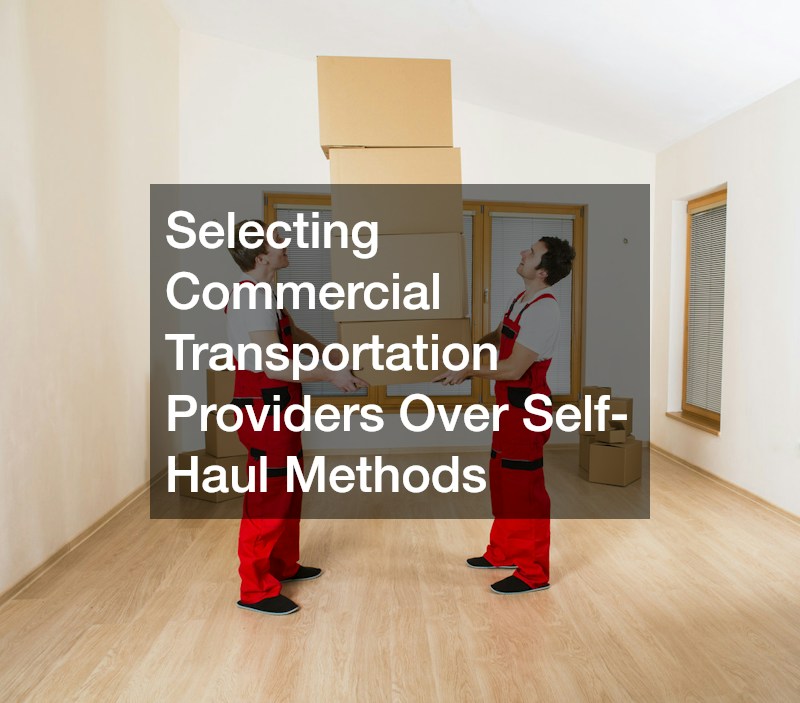
The foundational decision in planning any residential transition involves choosing between an unassisted DIY move and hiring established transport professionals. While renting a consumer cargo truck and recruiting friends or relatives may appear cost-effective initially, this approach frequently leads to hidden expenses and severe operational bottlenecks. Untrained helpers rarely understand how to maneuver bulky furniture down tight stairwells without gouging drywall, while renting utility trailers, purchasing moving blankets, and buying fuel surcharges quickly erode perceived savings. More critically, an accidental back strain or broken family heirloom instantly turns a budget-friendly plan into a costly setback.
Contracting a licensed, accredited moving company establishes professional operational leadership, commercial liability coverage, and contractual accountability from day one. Established relocation enterprises provide specialized equipment, including modern commercial freight vans with air-ride suspensions, heavy-duty hydraulic liftgates, commercial walking ramps, and custom floor-protection runners that shield hardwood finishes from scuffs. Their logistics coordinators evaluate access constraints, review parking regulations, and calculate cubic volume allowances to ensure the right vehicle arrives on moving day. Handing over overall transportation responsibilities to an accredited provider removes the heavy physical burden from the household, establishing an orderly operational framework that keeps the entire transition on schedule.
Tailoring Tiered Support Packages to Match Household Needs
Every residential transition presents unique logistical challenges shaped by home size, family schedules, and the specific nature of the cargo. A busy executive household with multiple children may require complete white-glove assistance, where professionals handle every aspect from boxing fine china to hanging garments in closets. Conversely, a minimalist apartment dweller might prefer to pack their own personal items, requiring professional transport only for heavy furniture and oversized appliances. Attempting to fit a complex relocation into a rigid, one-size-fits-all service package leads to overpaying for unnecessary labor or finding yourself under-equipped on moving day.
Selecting comprehensive, customizable moving services allows homeowners to configure a support package that matches their exact budget and timeline. Reputable logistics providers offer tiered options spanning professional pre-move packing, custom timber crating for delicate oil paintings, appliance disconnects, vehicle towing, and post-move debris recycling. Clients can reserve dedicated packing crews who arrive with double-wall dish packs, acid-free tissue paper, and heavy bubble wrap to secure kitchenware in a single afternoon. Structuring support around specific household needs ensures critical vulnerabilities are handled by experts while allowing families to maintain control over personal belongings and daily schedules.
Delegating Physical Handling to Certified On-Site Labor
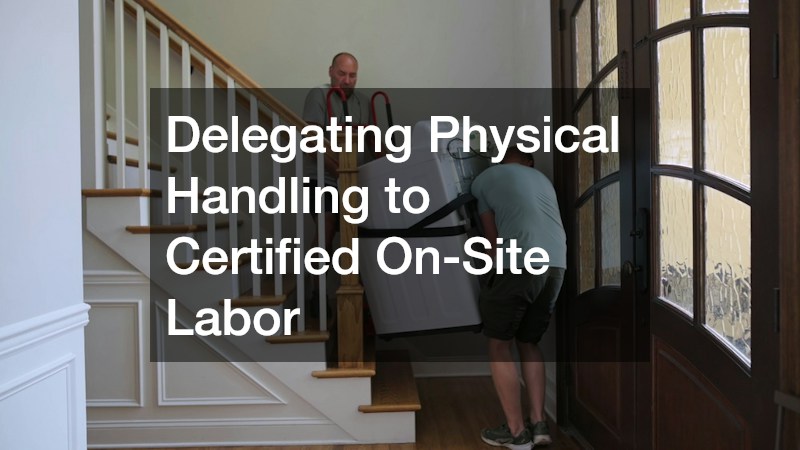
On moving day, the primary challenge shifts to the physical loading and unloading of heavy cargo across interior and exterior spaces. Navigating tight hallways, steep staircases, and narrow doorways with solid-wood dressers, sectional sofas, and major appliances requires precise kinetic balance and proper lifting technique. When untrained individuals attempt to lift heavy furniture without proper equipment, they risk acute muscle tears, crushed fingers, and permanent spinal injuries, while dropped items can gouge wooden doorframes and crack tile floors.
Relying on experienced, background-checked movers ensures that all heavy lifting proceeds smoothly, efficiently, and without physical danger. Professional transport crews utilize heavy-duty forearm forklifts, padded shoulder dollies, and four-wheel furniture dollies to move multi-hundred-pound pieces through narrow architectural spaces with millimetric accuracy. They systematically wrap upholstered furniture in thick, clean moving blankets secured with commercial stretch film to keep dust, rain, and scuffs off delicate fabrics during transit. Delegating heavy physical labor to trained crew members protects household members from fatigue and injury, allowing parents to focus on family needs and arrival details while knowing their belongings are in capable hands.
Transporting Complete Family Estates with Dedicated High-Capacity Fleets
Relocating an entire multi-bedroom residence, complete with furnished basements, home workshops, patio dining sets, and garage storage racks, requires specialized equipment and significant hauling capacity. The sheer physical weight and volume of an established family home quickly exceeds the limits of standard light-duty box trucks, leading to multiple frustrating shuttle trips or overloaded cargo beds that violate highway safety laws. Furthermore, transporting an entire estate requires balancing the load properly inside the truck to prevent shifting cargo from breaking cabinet legs or crushing lower tiers of boxes.
Enlisting a seasoned house mover ensures that whole-home transitions are handled by professionals equipped with heavy-duty commercial vehicles and specialized rigging gear. Professional estate movers dispatch high-capacity straight trucks or tandem-axle trailers equipped with interior logistics tracks, allowing crews to secure furniture tiers with heavy nylon ratchet straps every few feet. They dismantle large king-size bed frames, unbolt modular sectional couches, and secure dining table leaves in custom padded sleeves, storing all mounting hardware in clearly labeled, organized bags. Entrusting whole-home transport to a dedicated estate specialist ensures that every household asset arrives together,organized for systematic room-by-room reassembly.
Streamlining Neighborhood Relocations with Regional Route Intelligence
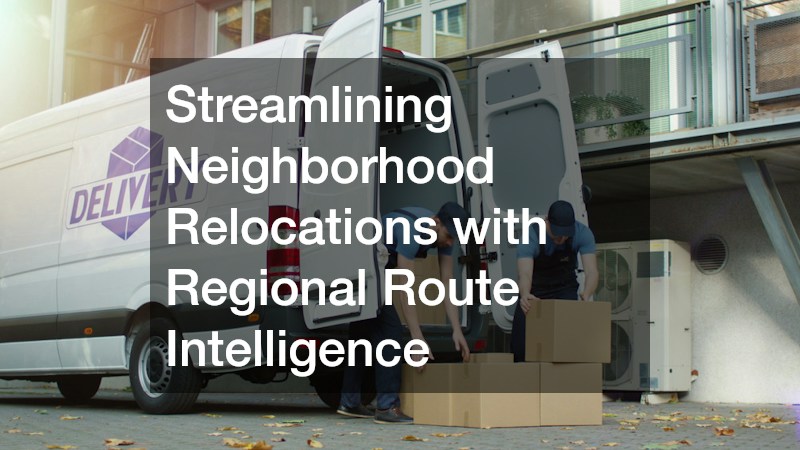
Moving within the same city or to an adjacent neighborhood presents distinct operational challenges that differ substantially from cross-country highway trips. Navigating narrow residential streets, coordinating trucks through cul-de-sacs, accommodating school pickup hours, and following strict homeowner association parking covenants requires direct familiarity with the immediate area. Out-of-town drivers unfamiliar with local roads can get stuck beneath low-clearance railway bridges, navigate through congested school zones, or receive municipal citations for parking across residential bike lanes.
Hiring an experienced, neighborhood-focused local mover provides the local knowledge and agility needed for a smooth,single-day transition. Community-based operators understand regional traffic flows, municipal parking permit requirements, and seasonal construction detours, allowing them to route vehicles efficiently between properties. Their proximity allows for prompt early morning arrivals, flexible scheduling, and the ability to dispatch secondary support vans if unexpected extra items need to be transported. Relying on a hometown professional ensures a considerate, neighborly approach that respects property boundaries, keeps driveways clear, and wraps up the move well before evening bedtime routines.
Comparing Community Fleets for Efficient Same-Day Operations
Short-distance moves are typically billed on hourly labor rates rather than line-haul cargo weight, making efficiency, crew coordination, and rapid execution vital to managing total costs. An unmotivated or disorganized crew can turn what should be an efficient four-hour move into an all-day ordeal, racking up unnecessary hourly charges while leaving family members stranded in an empty house. Choosing a local service provider requires careful evaluation of crew sizes, travel-time fee structures, and the availability of specialized equipment to ensure true value.
Evaluating verified, community-rooted local movers allows homeowners to compare published hourly rates, minimum service commitments, and verified customer reviews across several reputable providers. Established neighborhood moving companies supply fully stocked vehicles equipped with appliance hand trucks, wardrobe boxes, carpet-protection films, and tool kits for quick furniture assembly. They assign dedicated, synchronized three- or four-person crews who work in tandem to keep items moving from the house to the truck without delays.

Bridging Closing Gaps and Downsizing with Climate-Regulated Facilities
Real estate transactions rarely align in a neat, uninterrupted timeline from move-out to move-in day. Delays in mortgage underwriting, staggered lease start dates, home remodeling timelines, and estate downsizing often leave homeowners facing weeks or months where their possessions have no permanent destination. Leaving valuable solid-wood furniture, upholstered sofas, oil paintings, and delicate electronics in unconditioned garages, damp basements, or outdoor metal containers invites wood warping, fabric mildew, rust, and pest infestation.
Utilizing integrated moving and storage packages provides a safe, seamless buffer that protects household belongings until the new home is ready. Professional logistics providers maintain modern, secure warehouse facilities featuring continuous temperature and humidity control, automated fire-suppression systems, and round-the-clock video surveillance. Belongings are packed directly into large, sealed wooden storage vaults inside the warehouse, eliminating the handling risks and costs of repeatedly loading and unloading trucks at public self-storage units.
Coordinating Regional Transit Along Intercity Highway Corridors
When a residential transition moves beyond municipal borders to a new city several hours away within the same state, logistics become more complex. Regional moves require coordinating highway travel times, managing driver rest requirements, navigating varying municipal truck routes, and ensuring timely arrival at the destination. While long-distance regulations apply, homeowners still expect the direct communication, reliable scheduling, and personalized care typical of a local move.
Partnering with an accredited statewide mover provides the logistical infrastructure and regional authority needed to execute cross-county home transfers efficiently. Established intrastate carriers operate reliable medium- and heavy-duty vehicles that undergo regular commercial safety inspections, reducing the risk of highway breakdowns during long transit days. Their dispatchers coordinate fuel stops, weigh-station clearances, and delivery windows with precision, keeping homeowners updated on the truck’s highway progress.
Preserving Personal Accountability Across Far-Reaching Routes
One of the greatest sources of frustration during an interstate or regional move is the common freight brokerage model used by large van lines. Under this system, a local crew loads your belongings, drives the truck to a regional freight terminal, and transfers your goods to an unfamiliar long-haul driver, who then hands them off to another crew at the destination. These multiple handoffs significantly increase the risk of lost boxes, crushed cartons, scuffed furniture, and miscommunications regarding delivery dates.
Hiring certified local long distance movers provides single-carrier accountability and continuous operational consistency from pickup to delivery. The very same crew supervisor who inspects your belongings, wraps your delicate furniture, and loads the truck at your original home drives the vehicle to your destination and oversees unloading into your new residence.
Managing Federal Compliance and Long-Haul Freight Logistics
Cross-country, multi-state, and coast-to-coast relocations represent the most complex form of residential logistics, requiring adherence to federal transportation laws and precise coordination across thousands of highway miles. Interstate household goods carriers are strictly regulated by the Federal Motor Carrier Safety Administration (FMCSA), requiring active USDOT registration, compliant tariff schedules, mandatory arbitration programs, and clear published dispute procedures. Furthermore, interstate moves are traditionally billed by certified cargo weight and mileage rather than hourly rates, requiring certified weigh-scale tickets and comprehensive inventory manifests.
Contracting a licensed, federally compliant long distance mover ensures that your interstate transition is supported by modern logistics technology, satellite fleet tracking, and comprehensive regulatory protections. Premier long-haul carriers provide detailed, binding written estimates based on virtual or in-home surveys, giving homeowners guaranteed pricing that eliminates unexpected surprise fees at delivery. Their commercial tractor-trailers feature air-ride suspensions and satellite tracking, allowing clients to monitor their shipment’s location along the highway corridor in real time. Entrusting a major cross-country move to an accredited long-distance specialist ensures your shipment arrives safely and on schedule, completing your transition with professional care.
Managing a relocation through systematic logistical stages shields family members from physical exhaustion, structural property scuffs, and damaged belongings. Choosing the right service model, coordinating secure temporary storage when timelines require it, and ensuring consistent crew accountability preserves both personal belongings and peace of mind across any distance. When transportation logistics are handled by experienced professionals, parents can dedicate their energy to introducing children to their new neighborhood, meeting nearby neighbors, and establishing a comforting, functional home environment. Taking a disciplined, professional approach to moving turns a major life change into an organized, positive, and memorable family milestone.
