
First impressions happen in seconds. When guests drive up to your house, or when potential buyers browse real estate listings, the exterior of your property immediately sets the tone. A well-maintained, visually stunning home exterior projects care, pride of ownership, and structural integrity. Conversely, faded paint, an aging roof, or an overgrown lawn can make even the most beautiful interior feel uninviting.
Elevating your home’s curb appeal is one of the most rewarding home improvement projects you can undertake. Beyond the personal satisfaction of pulling into a picturesque driveway every evening, exterior renovations yield some of the highest returns on investment (ROI) in the residential housing market. Simple cosmetic touch-ups combine with major structural updates to protect your dwelling from harsh weather, improve energy efficiency, and significantly boost overall property value.
Achieving a truly transformative exterior overhaul requires a thoughtful, organized strategy. By breaking the process down into logical phases—clearing the site, reinforcing primary overhead structures, updating high-visibility focal points, adding functional architectural features, and responsibly managing project waste—you can execute a seamless renovation that makes your home the envy of the neighborhood.
Clearing and Preparing the Landscape Canvas

Before diving into major architectural upgrades, structural builds, or fresh paint coats, you must establish a clean, organized starting baseline. Many homeowners make the mistake of adding new decorative features on top of an overgrown or cluttered yard, which only obscures their investment. Preparing your property’s canvas allows you to see the true architectural lines of your home and identifies hidden maintenance issues that need addressing.
Begin by evaluating your property from the street. Walk across the road and view your home with fresh eyes. Take note of overgrown tree branches blocking front windows, dying shrubs crowding entryways, and cracked, dirty pathways. Pruning mature trees not only restores natural light to your living spaces but also protects your home’s siding and roofline from scraping branches and falling debris during severe storms. Edging lawn boundaries along sidewalks and driveways instantly creates crisp, professional lines that give your entire yard a tailored look.
Clearing away years of accumulated organic waste, fallen branches, and decaying leaves is crucial before starting heavy outdoor construction. Scheduling a professional yard waste collection service ensures that large volumes of heavy brush, tree trimmings, and organic debris are removed quickly and responsibly, keeping your driveway and lawn open for incoming contractor trucks and materials.
Once the vegetation is under control, turn your attention to the hard surfaces of your home’s exterior. Over time, algae, dirt, pollen, and mildew build up on siding, brickwork, stone pathways, and concrete driveways, muting their original colors. Hiring exterior cleaning companies to perform high-pressure washing or soft-wash treatments can instantly erase decades of grime. This step often reveals that your siding or masonry is in much better condition than you thought, saving you thousands on unnecessary replacements.
- Schedule bulk organic pickups early: Coordinate large brush and branch removals prior to construction phases so delivery trucks have clear access to your driveway.
- Inspect for hidden wood rot: As dirt and vines are stripped away from lower exterior walls, inspect wood siding and trim for moisture damage and soft spots.
- Soft-wash delicate surfaces: Ensure pressure washing technicians use low-pressure chemical washes on vinyl siding, painted wood, and stucco to prevent surface stripping.
- Re-edge walkways and garden beds: Use a manual or motorized edger to cut clean 2-inch deep borders between turfgrass and hardscape features.
- Clear gutter downspout runoff zones: Ensure downspout splash blocks are clean, clear of debris, and angled to direct water away from the foundation.
Upgrading the Roof for Protection and Visual Impact
The roof represents up to 40 percent of your home’s visible exterior footprint, making it one of the most dominant visual elements of your property’s façade. An old, stained, or curling roof immediately drags down even the most beautifully landscaped lawn. Beyond aesthetics, your roof is your home’s primary shield against rain, snow, wind, and harsh UV rays. Updating this vital overhead component provides an immediate boost in curb appeal while safeguarding your interior framing investment.
When selecting new roofing materials, consider the architectural style of your home. Traditional asphalt shingles are versatile and budget-friendly, available in architectural or dimensional styles that mimic wood shake or slate. For modern or farmhouse-style homes, standing-seam metal panels offer sleek lines, exceptional durability, and outstanding energy efficiency. Matching the roof tone to your home’s exterior color palette creates a cohesive, grounded look. Darker charcoal and slate grays tend to anchor light-colored homes, while warm brown and weathered wood tones complement stone or brick exteriors.
Because a roof replacement is a significant financial investment, choosing the right installation team is paramount. Obtaining itemized estimates from certified roofing contractors allows you to compare material options, labor guarantees, and manufacturer warranties. Reputable professionals will perform a comprehensive deck inspection before laying new materials, ensuring that damaged plywood sheets, worn underlayment, and compromised flashing are replaced.
Finding trusted, established local roofers ensures that your project complies with regional building codes and weather requirements. Local crews understand the specific environmental stressors your home faces—whether high wind gusts, heavy snow loads, or extreme summer heat—and can recommend tailored ice-and-water shielding, ridge ventilation systems, and drip edges that extend the lifespan of your new roof.
- Request physical material samples: View shingle or metal color boards outside under natural sunlight at different times of day before making a final selection.
- Verify licensing and liability insurance: Confirm that your installation team carries valid state trade licenses and full worker’s compensation coverage.
- Upgrade ridge ventilation systems: Install continuous ridge vents along roof peaks to improve attic airflow, lowering summer cooling costs and preventing winter ice dams.
- Check warranty transferability: Ensure manufacturer warranties on new roofing materials can be transferred to future home buyers to maximize resale value.
- Inspect flashing around chimneys and valleys: Replace all copper or aluminum flashing during the re-roofing process rather than reusing old metal.
Renovating Primary Focal Points and Overhead Structures
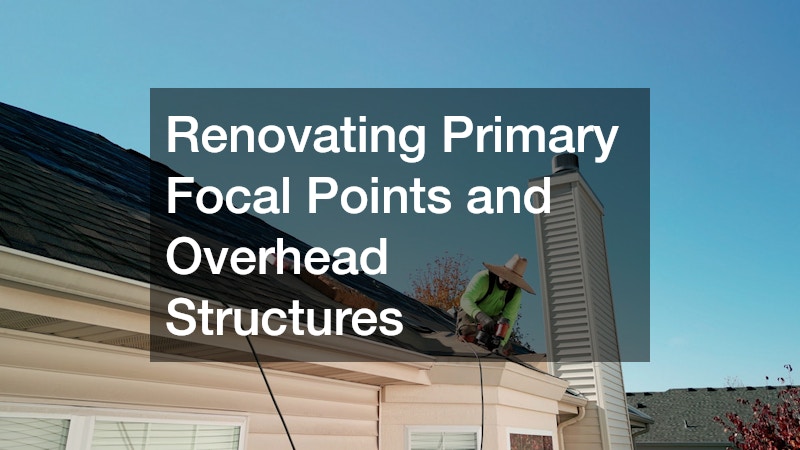
Once the overarching roofline and landscape are addressed, turn your focus to the mid-level architectural features that draw the eye. Your garage door, front entry, soffits, and trim represent the primary focal points that define your home’s character. If these elements are worn, dented, or outdated, they disrupt the visual harmony of your newly cleared property.
For many suburban homes, the garage door accounts for nearly one-third of the front elevation. A faded, noisy, or sagging door immediately dates a house. Booking professional garage door repairs can address mechanical issues such as worn torsion springs, off-track rollers, or bent panels, restoring smooth, quiet operation. If the door structure itself is obsolete, replacing it with a carriage-house style door featuring decorative iron hardware and window inserts creates an instant high-end focal point.
Maintaining the integrity of eaves, gables, and drainage channels is equally essential for preserving exterior aesthetics. Contracting comprehensive roofing services ensures that accent gables, gutter networks, and fascia boards are thoroughly inspected and restored. Upgrading to oversized, seamless aluminum or decorative copper gutters prevents rainwater from overflowing and staining your newly painted trim or foundation brickwork.
Complementing garage and roofline upgrades with a grand front entryway completes the mid-level transformation. Painting your front door in a bold, contrasting color—such as deep navy, crimson red, or warm sage green—creates an inviting center for the home. Updating house numbers, replacing dated porch lighting with modern lanterns, and installing fresh, brushed-brass or matte-black door hardware turns a basic entrance into an memorable greeting point.
- Add carriage-house hardware packages: Enhance plain garage doors affordably by adding magnetic black handles and faux hinge accents.
- Install insulated garage door panels: Choose R-16 or higher insulated doors to maintain comfortable temperatures in attached garages and adjacent rooms.
- Upgrade to seamless, oversized gutters: Install 6-inch seamless aluminum gutters with leaf guards to manage heavy downpours without overflowing.
- Frame entryways with architectural trim: Add wider PVC or composite moulding around the front door to give your entry a custom built-in look.
- Illuminate architectural pathways: Position low-voltage LED landscape lighting to highlight front steps, entry columns, and decorative garage windows at night.
Architectural Add-Ons and Heavy Exterior Builds
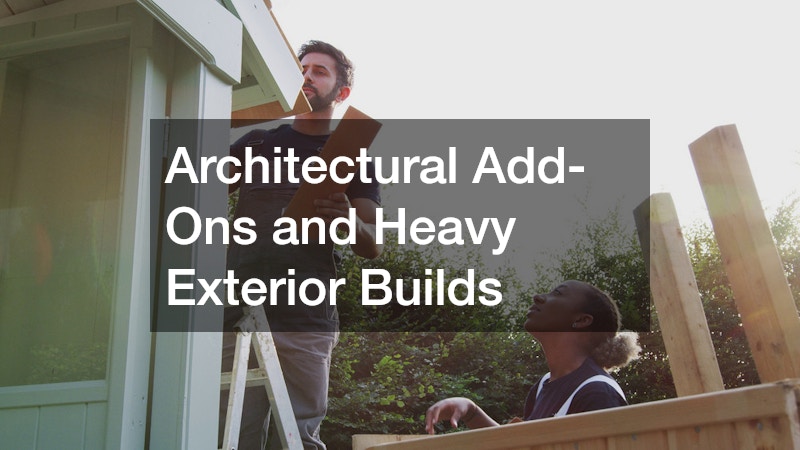
To truly set your home apart in the neighborhood, consider integrating large-scale structural additions and outbuildings. Upgrading your property isn’t limited to the main residential structure; creating functional, beautifully designed auxiliary buildings maximizes your land’s utility while elevating the overall estate feel of your lot.
When adding garages, covered porches, porticos, or home extensions, seamless integration is key. Hiring specialists in custom home construction ensures that any new framing matches the exact pitch, ceiling heights, siding textures, and trim details of your main dwelling. Adding a timber-frame front portico over a flat entryway, for example, adds dimensional depth, dramatic shadows, and shelter from the rain, transforming a plain exterior wall into an architectural statement.
For homeowners with larger lots or acreage, constructing functional outbuildings adds substantial market value and visual interest. Erecting a custom pole barn or stylized detached workshop provides ample room for RV storage, classic cars, agricultural equipment, or hobby space. By painting outbuildings in colors that match or complement the main house and adding dormer windows or cupolas, you turn practical storage into an eye-catching property feature.
Connecting these heavy architectural builds to the main residence through hardscape design unifies the entire lot. Installing paved stone walkways, low retaining walls, and custom timber pergolas between the main house and auxiliary buildings creates defined outdoor living zones that invite exploration and enhance functional flow.
- Match roof slopes on new additions: Ensure any porch, portico, or outbuilding roof matches the primary pitch of the main house for visual balance.
- Utilize low-maintenance exterior trim: Choose engineered cellular PVC or composite boards for exterior trim on additions to prevent rot and insect damage.
- Incorporate dormers for vertical height: Add decorative or functional roof dormers to detached structures to break up long rooflines and add light.
- Plan underground utility runs early: Trench power, water, and internet lines to outbuildings before finishing driveway paving or lawn sodding.
- Unify lighting fixtures across structures: Use matching outdoor light fixture families on both the main house and detached outbuildings for design consistency.
Managing Materials, Waste, and Site Restoration
Major exterior renovations generate significant amounts of construction waste, including old asphalt shingles, torn-down siding, discarded metal flashing, and structural wood scraps. Managing this waste effectively throughout your project keeps your work site safe, prevents damage to your newly landscaped lawn, and ensures a clean, polished finish when the job is done.
Safety should always remain a top priority during construction. Remind your primary roofing contractor to establish dedicated waste drop zones, cover prize flower beds with protective plywood frames, and sweep magnetic rollers across the lawn and driveway daily to catch loose nails and metal fasteners that could puncture vehicle tires or injure pets.
Environmental responsibility and cost management go hand in hand during site teardowns. Heavy renovation projects yield valuable scrap materials, including old copper pipes, aluminum gutters, steel siding, and brass hardware. Transporting these materials to professional metal recycling drop-offs diverts tons of construction waste away from local landfills while generating cash rebates that help offset overall project disposal fees.
Once construction equipment leaves the property, complete the renovation with final site restoration. Re-seed any lawn areas compacted by heavy machinery, spread fresh bark mulch in garden beds, wash down windows to remove drywall or saw dust, and touch up paint around newly installed trim. This meticulous attention to final cleanup is what transforms a rough construction site into a magazine-ready home exterior.
- Protect driveway surfaces: Place thick wooden boards under dumpster wheels and heavy equipment outriggers to prevent cracking or gouging asphalt.
- Sort recyclable metals on-site: Keep separate bins for copper flashing, aluminum gutters, and steel brackets during teardown for easy recycling.
- Perform triple-pass magnetic sweeps: Roll lawn areas with heavy magnetic sweepers at least three times after roof teardowns to catch hidden fasteners.
- Repair turf compaction immediately: Aerate and top-dress any lawn sections compressed by construction vehicles before laying down new grass seed.
- Perform a final dusk inspection: Walk your property at dusk to verify that all exterior fixture illumination, pathway lighting, and address lights function as planned.
Transforming Your Property with Confidence

Renovating the exterior of your home is a rewarding journey that combines protection, function, and aesthetic design. By taking a systematic approach—clearing away overgrown landscapes, investing in a durable overhead roof, updating high-visibility garage and entry features, adding integrated structural features, and maintaining a clean work site—you create a cohesive, welcoming estate that stands out in any neighborhood.
Every update you make contributes to long-term structural resilience and increases your property’s market value. By working alongside qualified trade professionals and focusing on quality materials, you can step back and admire a beautifully renovated home that offers warmth, beauty, and security for decades to come.
