
As families grow, so do their needs—and sometimes, that means transforming your current home rather than seeking a new one. Rehabbing a home can be an exciting, cost-effective, and deeply personal journey, especially for growing families who want to remain rooted in their communities. But renovation is no small undertaking. Between managing budgets, timelines, and a million design decisions, it’s easy to get overwhelmed. That’s why it’s crucial to focus on priorities that will make the most significant impact on comfort, safety, and future value.
Unlike simple redecorating, rehabbing a home often involves deeper changes: updating floor plans, replacing outdated systems, or removing structural elements to open up the space. With children in the mix—whether toddlers or teens—there are additional factors like safety, durability, storage, and multi-functional living areas to consider.
This guide is built for families looking to turn their current home into their forever home. We’ll break down the most important areas to prioritize, with advice on what to tackle first and why. Each section includes expert insights, planning tips, and references to trusted resources such as a plumbing company, a local septic pumping service, and a commercial flooring company—because we know the value of having reliable professionals during this kind of project.
Whether you’re expanding your kitchen, redoing the flooring, or ensuring your HVAC and roofing systems are family-ready, knowing what to do first will help you avoid costly mistakes. Let’s dive into the essentials of rehabbing a home for families who are growing in size—and ambition.
1. Expanding Living Space for Function and Flow
One of the first priorities when rehabbing a home for a growing family is creating more usable, connected living space. Open-concept layouts continue to be a popular choice because they make it easier to keep an eye on children, encourage interaction, and give families the flexibility to use the space in multiple ways. However, expanding your living area isn’t just about removing walls—it requires thoughtful planning and the right professionals to do it safely.
If your renovation involves tearing down walls or reconfiguring layouts, working with an experienced demolition contractor is essential. They can help ensure that any structural changes are handled properly, minimizing risks and keeping your project compliant with building codes. Once the space is opened up, focus on how your family will move through it. Consider designated zones for relaxing, studying, and play, while maintaining a natural and comfortable flow between areas.
Flooring is another key element in these shared spaces. Partnering with a reliable residential and commercial flooring company can help you choose materials that stand up to daily wear while still complementing your home’s design. High-traffic areas like living rooms and play zones benefit from durable, easy-to-clean surfaces that can handle spills, foot traffic, and active kids without compromising safety or style.
When rehabbing with a growing family in mind, think beyond immediate needs. Opt for layouts and finishes that can adapt as your children get older. By focusing on both function and longevity, you’re not just increasing square footage—you’re creating a space that truly supports everyday family life.
2. Prioritizing the Kitchen for Daily Life
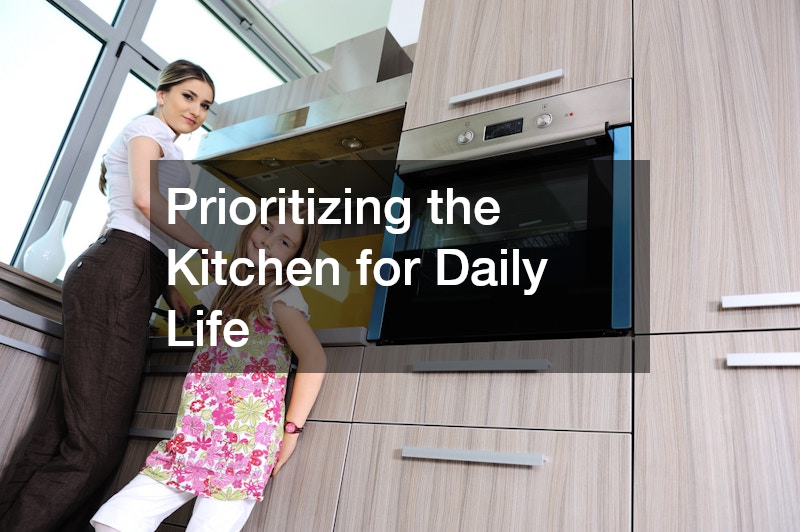
The kitchen is the heart of any home—and for growing families, it’s also the busiest. From hectic breakfasts to homework sessions at the counter, your kitchen needs to handle a lot more than just cooking. That’s why it should be a top priority when rehabbing a home.
Start by assessing layout and workflow. Are there enough countertops for meal prep? Is the fridge easy for kids to reach? Can multiple people cook or help out at the same time without bumping into each other? A well-designed kitchen keeps the family moving smoothly throughout the day.
Storage is another critical focus. As children grow, so do their appetites—and the need for pantry and cabinet space. Renovation plans might include updating or expanding cabinetry, adding more counter space, or even opening the kitchen to a larger family area for easier interaction.
During this stage, don’t overlook wood pallet disposals. Removing old cabinetry, shelving, or other materials often produces bulky wood waste. Arranging proper disposal in advance helps keep the renovation site organized, safe, and efficient—so your family can move into a functional kitchen faster.
Finally, make the space welcoming and practical. Choose durable, family-friendly surfaces, rounded countertop edges, and accessible storage. By prioritizing both function and comfort, your kitchen becomes a space that supports everyday life for a growing family.
3. Upgrading Flooring for Comfort and Durability
New flooring can transform a home’s aesthetic while dramatically improving comfort and functionality. For families, flooring is more than a design decision—it’s about finding the right surface for crawling babies, muddy shoes, and pet paws.
A visit to a vinyl flooring store is a great starting point. Vinyl is an increasingly popular choice for family homes because it’s affordable, water-resistant, and easy to clean. Today’s vinyl options also mimic the look of wood or stone, offering style without the fragility or upkeep.
Rehabbing a home means considering both short- and long-term needs. For example, you may want different flooring in the playroom than in your entryway or kitchen. Carpet might work for bedrooms where warmth matters, while vinyl or laminate is better for high-traffic areas.
Flooring upgrades are also a chance to assess what’s under the surface. This is the time to inspect subfloors for moisture issues, squeaks, or damage. Addressing these during the renovation prevents future problems and ensures your new floors last.
Whether you’re replacing dated tile or covering worn-out hardwood, flooring upgrades offer one of the highest returns in terms of comfort and resale value. For families, it’s about durability and peace of mind—and rehabbing a home should always include both.
4. Reworking Bathrooms for Efficiency
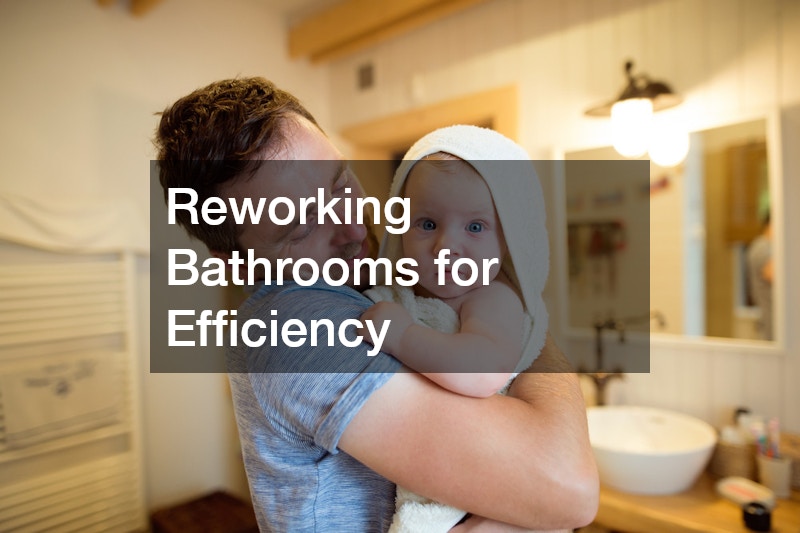
A growing family quickly puts pressure on existing bathrooms. Long lines in the morning, messy bathtimes, and tight storage can turn a small bathroom into a major headache. That’s why bathroom updates are essential when rehabbing a home for family life.
Start with functionality. Could a powder room be converted into a full bath? Would a double vanity make mornings easier? Are there storage solutions that can make the space work harder without a full remodel?
If your home is older, plumbing should be on your radar. Outdated pipes can lead to slow drains, leaks, or even water damage. Hiring a reputable plumbing company during your rehab ensures everything behind the walls works as well as what’s in front of them.
Rehabbing a home also means thinking ahead. If you plan to stay for years, install durable fixtures and tiles that won’t go out of style. Choose finishes that are easy to clean and materials that resist mildew and moisture.
Bathrooms don’t need to be luxurious—they need to be functional, efficient, and easy to maintain. For families, that often means more outlets, smart storage, and layouts that reduce crowding during busy hours.
5. Addressing HVAC for Year-Round Comfort
Temperature control is a major factor in a family’s daily comfort. Older HVAC systems can struggle to maintain consistent heating and cooling, especially in homes that have been expanded or reconfigured. When rehabbing a home, HVAC upgrades should be a priority.
Start by evaluating your existing system. Is it sized appropriately for your square footage? Are some rooms always too hot or too cold? If your HVAC is over 10–15 years old, it may be time to replace or supplement it.
This is where air conditioning repair services come in. A licensed technician can inspect your ducts, clean out blockages, and recommend energy-efficient upgrades. Whether it’s installing a new system or zoning your existing one, the right approach will improve comfort and reduce utility bills.
Don’t forget air quality. Families with young children need clean, allergen-free air. Modern systems often come with filters or purifiers that help maintain a healthier indoor environment.
Rehabbing a home means more than aesthetics—it’s also about unseen systems that affect your everyday life. An HVAC system that works properly ensures your family stays cool in the summer, warm in the winter, and safe all year long.
6. Improving Safety Through Structural Assessments
For families, safety is non-negotiable—and structural soundness is a key part of that. When rehabbing a home, it’s wise to evaluate the foundation, framing, and support structures, especially if your home is older or undergoing significant changes.
This step often gets overlooked in favor of visual upgrades, but catching issues early can save you from major expenses down the line. Cracks in walls, sloping floors, and sticking doors can all be signs of structural concerns.
Rehabbing a home offers a perfect opportunity to bring in a structural engineer or inspector for a full assessment. You’ll want to verify that your foundation is stable, your load-bearing walls are secure, and your roof framing can handle added weight—especially if you’re building up or out.
Focus on safety improvements like childproof railings, stair gates, and reinforced railings for porches. Every change you make should reflect the needs of a growing family who will be active and curious.
While this section may not offer visual “wow” factors, it’s one of the most important in terms of long-term security. Rehabbing a home for a growing family starts with a solid foundation—literally and figuratively.
7. Updating the Roof to Prevent Future Issues
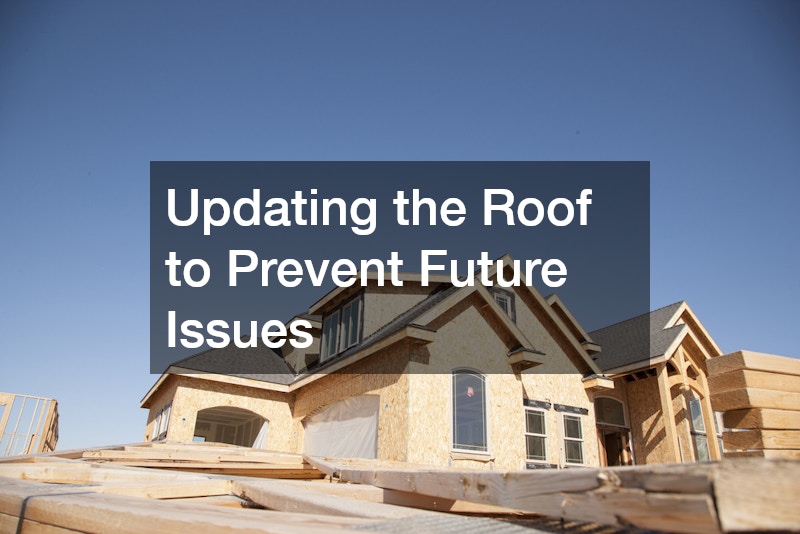
Your roof protects everything beneath it. If you’re planning a major home rehab, don’t overlook its condition. A leaky or aging roof can undermine all the interior improvements you make—costing you more in repairs and energy bills down the road.
Professional roofers can inspect for damage, assess ventilation, and recommend materials that suit your climate and budget. They can also advise whether a full replacement is necessary or if targeted repairs will suffice.
This is also a good time to consider energy efficiency. Modern roofing materials, including reflective shingles or solar-compatible panels, can reduce your cooling load during summer months. And with better insulation, you’ll keep warmth in during winter.
Rehabbing a home gives you the chance to address roofline design, adding dormers or extended overhangs for better aesthetics and protection. Don’t forget gutters, too—clogged or broken systems can lead to foundation problems over time.
A strong, well-maintained roof keeps your family safe and dry. As one of your home’s largest systems, it deserves attention early in the rehab process—not after leaks appear.
8. Managing Utility Infrastructure Effectively
Behind-the-scenes systems like septic, electrical, and gas may not be glamorous, but they’re essential to daily life—especially with kids at home. When rehabbing a home, it’s crucial to ensure these utilities are in excellent working order.
If your home isn’t connected to city sewer systems, a local septic pumping service should be contacted to inspect and clean the system. Aging tanks or overloaded lines can cause messy—and expensive—problems.
Likewise, electrical panels may need to be upgraded to handle modern loads. Today’s families rely on dozens of devices, smart appliances, and more—so outdated wiring can pose both performance and fire risks.
Rehabbing a home means future-proofing it. Include plans for additional outlets, USB charging stations, and even electric vehicle chargers. You may not need all of it now, but you will soon.
Finally, this is a great time to test for gas leaks, carbon monoxide levels, and proper insulation. Your family’s safety depends on these foundational systems working properly.
9. Planning for the Temporary Move During Construction
If your renovation is extensive, living in the home during construction may not be practical. This brings up another important consideration: where will your family live during the process?
This is where local moving companies can be a lifesaver. Whether you need to store furniture, move into temporary housing, or simply shift items to a garage or basement, professional movers streamline the chaos.
Rehabbing a home with children requires planning beyond the construction itself. You’ll need to consider school commutes, access to daily essentials, and how to maintain routines during the transition.
Some families opt to phase their renovation to avoid a complete move-out, while others find peace of mind in relocating temporarily. Either way, having help with the logistics makes everything smoother.
In the end, rehabbing a home is about creating a better environment—but it takes some disruption to get there. Being proactive about moving and storage keeps the project on track and your family less stressed.
10. Boosting Curb Appeal for Long-Term Value

Exterior upgrades are often the final touch in a home rehab—but they have a lasting impact. Enhancing curb appeal not only adds pride of ownership; it also increases the home’s resale value. Simple improvements such as landscaping, updated siding, or a new front door can transform your home’s appearance. And if you’re listing a property for sale down the road, these upgrades will make a strong first impression on buyers.
Rehabbing a home should include exterior lighting for security, clearly marked addresses, and safe pathways for kids. You might also consider adding a front porch or play-friendly backyard features. Every change you make should reflect your family’s lifestyle now—and potential buyer expectations later. Whether you’re planning to stay or sell, exterior improvements tie everything together.
Building a Home That Grows With Your Family
Rehabbing a home for a growing family goes beyond simple upgrades—it’s about creating a space that evolves with your needs over time. Every improvement, whether large or small, should support daily routines, enhance safety, and make life more comfortable for everyone under your roof. Starting with the right priorities helps you stay on track, avoid unnecessary expenses, and maximize the value of your investment.
In this guide, we’ve explored the most important areas to focus on first, from expanding living spaces to improving essential systems and ensuring structural reliability. Thoughtful planning, combined with a clear understanding of your family’s needs, allows you to make decisions that deliver both immediate benefits and long-term functionality.
Working with experienced professionals can make the process more manageable and efficient, helping you turn your vision into reality with fewer setbacks. While the journey may feel overwhelming at times, the end result is a home designed to support your family through every stage of life.
Ultimately, a well-prioritized rehab creates more than just a better house—it builds a foundation for comfort, connection, and lasting memories.
